- Follow Us:
- (336) 358-5100


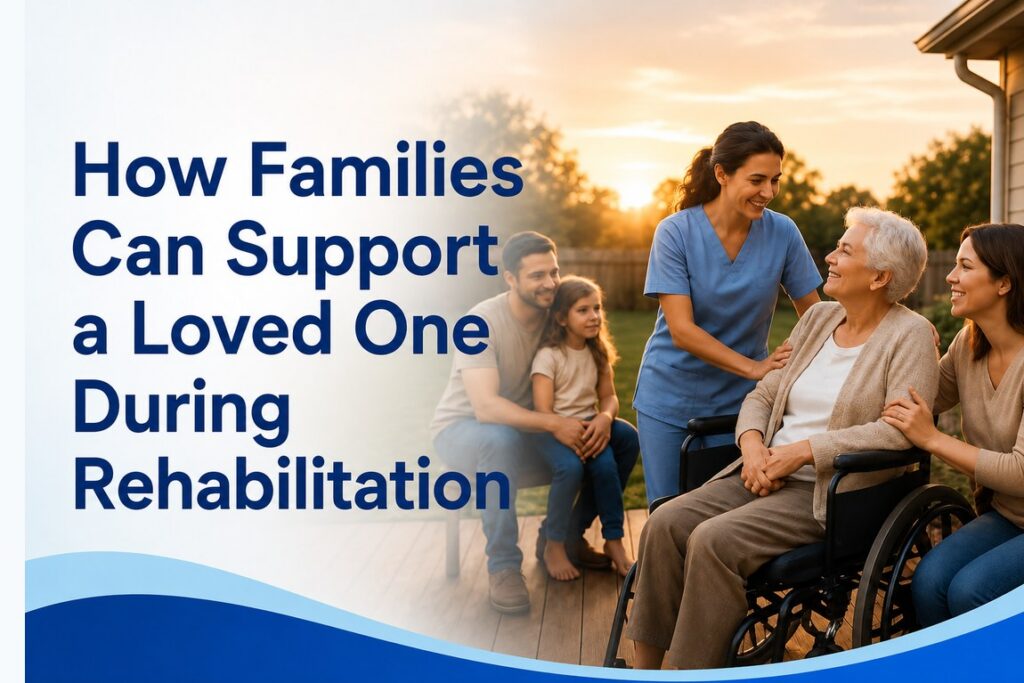
How Families Can Support a Loved One During Rehabilitation
July 24, 2026
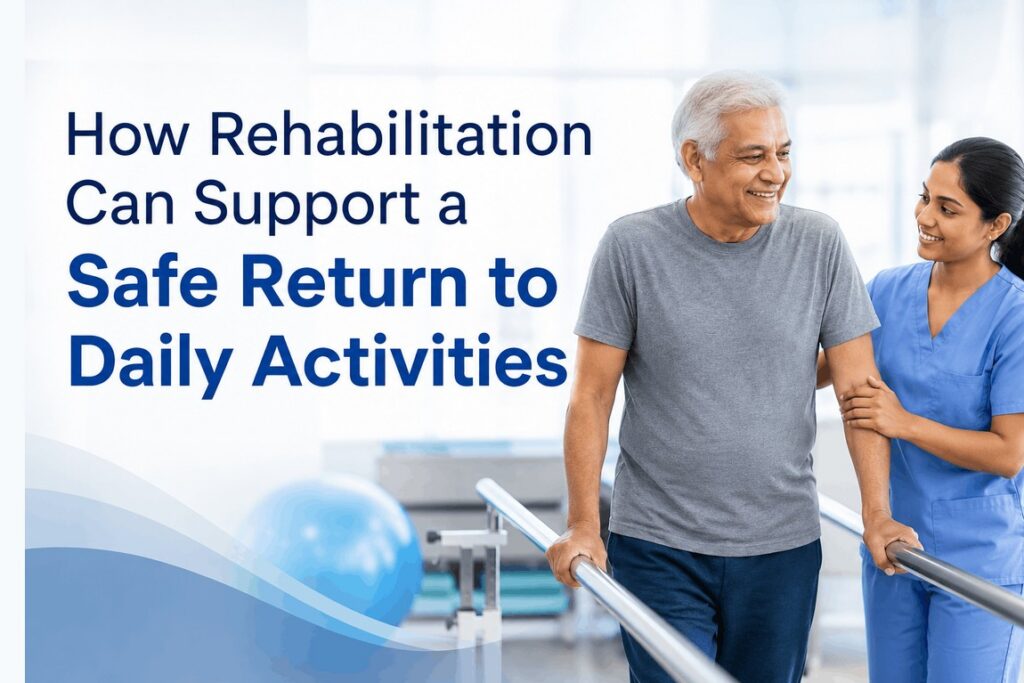
How Rehabilitation Can Support a Safe Return to Daily Activities
August 26, 2026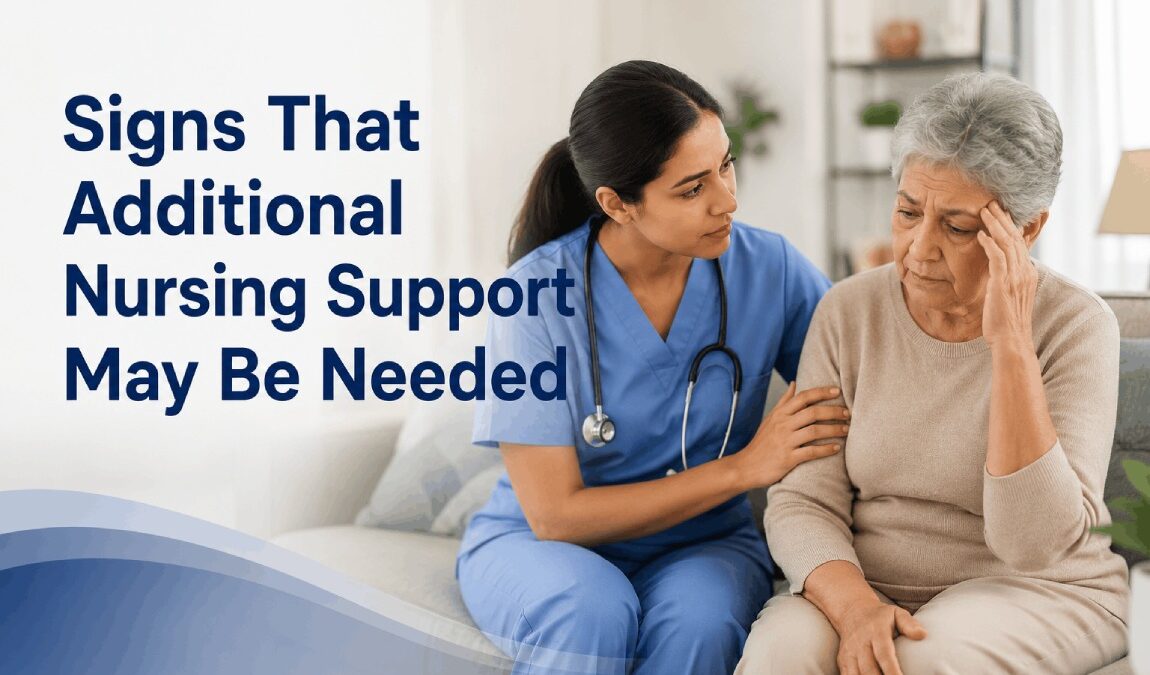
Knowing when occasional help is no longer enough can be one of the hardest questions a family faces.
As loved ones grow older, their care needs can change gradually, and sometimes very quickly. A parent who has managed medications and daily routines independently for years may begin having difficulty after an illness. Someone recovering from surgery may need more medical support than family members can safely provide at home. In other situations, changes in mobility, memory, or a chronic health condition may make everyday life increasingly challenging.
It isn’t always easy to know when occasional assistance is no longer enough. Families may wonder whether the changes they are noticing are simply part of aging or signs that a loved one would benefit from professional nursing support.
Recognizing potential concerns early gives families more time to explore options, speak with healthcare providers, and determine the level of care that best meets their loved one’s needs. Understanding what skilled nursing services for seniors provide can also make these conversations less overwhelming and help families make informed decisions with greater confidence.
Key Takeaways
There is rarely one single sign. Families usually notice a pattern building over weeks or months.
Medication trouble, repeated falls, and return trips to the hospital are among the clearest signals to discuss with a physician.
Difficulty with bathing, dressing, toileting, or meals often points to a change in the level of support that is needed.
The caregiver’s own limits matter. Recognizing them is not a failure, it is good judgment.
Starting the conversation early leaves room to plan, ask questions, and include your loved one in the decision.
Jump To Section
At a Glance
When Might Someone Need Additional Nursing Support?
Additional nursing support may be worth considering when an older adult has increasing difficulty managing medications, frequent falls, repeated hospital visits, worsening chronic health needs, difficulty with daily activities, or medical needs that are becoming difficult for family caregivers to manage safely. A healthcare professional can help determine the most appropriate level of care based on the individual’s needs.
Families may want to discuss additional nursing support with a healthcare professional when they notice:
Increasing difficulty managing medications
Frequent falls or worsening mobility
Repeated hospital visits or readmissions
Chronic health conditions becoming harder to manage
Slow or difficult recovery after surgery or serious illness
Increasing difficulty with bathing, dressing, toileting, or meals
Wounds or other medical needs requiring professional attention
Family caregivers struggling to safely meet changing care needs
Sign One
Increasing Difficulty Managing Medications
Medication management is one of the first areas families should pay attention to, particularly when an older adult takes multiple prescriptions.
You may notice that your loved one forgets doses, accidentally takes medication twice, struggles to refill prescriptions on time, or becomes confused when medications or dosages change. These issues can become especially concerning after hospitalization, when a physician may add new medications or adjust an existing routine.
Medication problems aren’t always obvious. Changes in energy, appetite, balance, or behavior may sometimes prompt a review of medications and overall health.
Skilled nursing professionals can administer medications according to physician orders, monitor for changes in a resident’s condition, and communicate concerns to the appropriate healthcare providers.
Sign Two
Frequent Falls or Increasing Mobility Problems
An occasional stumble doesn’t necessarily mean someone needs skilled nursing care, but repeated falls or noticeable changes in mobility deserve attention. Watch for signs such as holding onto furniture while walking, struggling to stand from a chair, avoiding stairs, becoming increasingly dependent on a walker or another person, or limiting activities because of fear of falling.
Reduced mobility can affect much more than walking. It can make bathing, dressing, toileting, preparing meals, and moving around the home more difficult.
When mobility problems occur alongside medical needs, a skilled nursing and rehabilitation setting may provide an appropriate combination of nursing support and therapy. Physical and occupational therapy can help address strength, balance, mobility, and daily living skills while nursing staff assist with the individual’s broader healthcare needs.
Sign Three
A Pattern of Hospital Visits or Readmissions
Frequent trips to the emergency department or repeated hospitalizations can indicate that an older adult’s health needs are becoming more complex.
Perhaps a chronic condition is becoming harder to manage, or the person returns home from the hospital only to experience another setback. Families may also find themselves repeatedly calling a physician because they are unsure whether new symptoms require medical attention.
Following a hospitalization, some patients need additional time to stabilize, regain strength, and adjust to new medications or medical routines before returning home.
Short-term skilled nursing and rehabilitation can help bridge this gap. In this environment, nurses can monitor the patient’s condition while therapists help restore strength and functional abilities.
Sign Four
Chronic Health Conditions Are Becoming Harder to Manage
Many older adults successfully live with chronic conditions for years. However, needs can change as conditions progress or multiple health concerns begin interacting with one another.
Conditions involving the heart, lungs, nervous system, diabetes, arthritis, and other ongoing health concerns may require closer observation and increasingly complex care. Families may notice more frequent changes in symptoms, difficulty following treatment recommendations, declining mobility, or increased dependence on caregivers.
Skilled nursing services for seniors can provide ongoing professional support based on physician-directed care plans. This can be especially valuable for individuals whose medical needs are difficult for family caregivers to manage safely on their own.
Sign Five
Recovery After Surgery Is Taking Longer Than Expected
Going home immediately after hospitalization isn’t the right option for everyone.
A senior may be medically stable enough to leave the hospital while still lacking the strength or mobility needed to function safely at home. Someone recovering from joint replacement surgery, a stroke, a serious infection, or another significant medical event may need rehabilitation as well as nursing support.
Signs that additional care may be beneficial include extreme weakness, difficulty walking, inability to manage stairs, problems getting in and out of bed, or needing considerable assistance with personal care.
A skilled nursing rehabilitation program can provide structured therapy and nursing oversight while helping the patient work toward greater independence.
Sign Six
Personal Care and Daily Activities Are Becoming Difficult
Changes in everyday routines can provide important clues about whether an older adult needs more assistance.
You might notice that a loved one is wearing the same clothing repeatedly, bathing less often, struggling with toileting, skipping meals, or having difficulty maintaining their usual personal care routine.
Sometimes the underlying problem is physical. Arthritis may make buttons difficult to manage, for example, or weakness may make getting into the shower unsafe. In other cases, cognitive changes or medical conditions may contribute.
When several daily activities become difficult at the same time, it is worth discussing the changes with a healthcare professional and considering whether additional care could improve safety and quality of life.
Sign Seven
Wounds or Other Medical Needs Require Professional Attention
Certain healthcare needs simply aren’t appropriate for an untrained family caregiver to manage independently.
An older adult may require professional wound care, monitoring after surgery, injections, or other physician-ordered nursing services. These needs can become especially complicated when combined with limited mobility or multiple health conditions.
Trying to manage complex medical care without adequate training can be stressful for families and potentially unsafe for the patient. A skilled nursing setting provides access to licensed professionals who can carry out appropriate care plans while monitoring the resident’s overall condition.
Sign Eight
Family Caregivers Are Struggling to Keep Up
The needs of the caregiver matter, too.
Family members often begin by helping with groceries, transportation, or medications. Over time, that assistance may expand to bathing, dressing, transferring, overnight supervision, and managing increasingly complicated healthcare needs.
At some point, providing safe care may require more time, physical assistance, or clinical knowledge than family members can reasonably provide.
Recognizing that additional professional support is needed isn’t a failure of family caregiving. Instead, it can be an important step toward ensuring that a loved one receives the appropriate level of care while allowing family members to return to their most meaningful role, which is simply being family.
Understanding the Care
What Does Skilled Nursing Care Provide?
Skilled nursing care is designed for individuals who require medical services and supervision that go beyond basic assistance with everyday activities. Depending on the individual’s needs and physician orders, services may include:
Nursing care and medication management delivered by licensed professionals according to physician orders.
Rehabilitation therapy from physical, occupational, and speech therapists working on mobility, daily living skills, communication, and swallowing.
Wound care and other physician-ordered clinical services that require professional attention.
Assistance with daily activities such as bathing, dressing, grooming, and mobility around the community.
Nutritional support and coordinated care planning that keeps the whole care team working from the same plan.
Rehabilitation may also be an important component. Physical, occupational, and speech therapists can work with residents to improve mobility, daily living skills, communication, swallowing, and other abilities affected by illness, injury, or surgery. The appropriate level and duration of care will depend on the individual’s medical condition, abilities, and goals.
Next Steps
Knowing When to Start the Conversation
Families don’t have to wait for a crisis before discussing skilled nursing care. In fact, beginning the conversation earlier can provide more time to understand available options and involve the older adult in decisions whenever possible.
Local Care
Skilled Nursing Care in Greensboro, NC
For families exploring skilled nursing care in Greensboro, NC, choosing the right level of support starts with understanding the individual’s medical, mobility, and daily care needs. Heartland Living & Rehabilitation provides skilled nursing and rehabilitation services designed around each resident’s needs, care plan, and goals.
Our Approach
Skilled Nursing Support at Heartland
At Heartland, we understand that deciding when a loved one needs additional care can be emotional and sometimes confusing. Our team works with residents and families to understand individual needs and develop personalized care plans designed to support safety, comfort, recovery, and quality of life.
Whether someone needs rehabilitation after hospitalization or additional nursing support due to changing health needs, our goal is to provide compassionate care in a supportive environment. Through skilled nursing and rehabilitation services, we help residents maintain their abilities while working toward the greatest possible level of independence.
Common Questions
Frequently Asked Questions About Additional Nursing Support
Common signs include difficulty managing medications, frequent falls, repeated hospitalizations, worsening chronic health conditions, difficulty with daily activities, and medical needs that family caregivers may not be equipped to manage independently.
Families may consider skilled nursing when a loved one is medically stable but still needs nursing support, rehabilitation, medication management, monitoring, or assistance with daily activities before returning home.
Depending on individual needs and physician orders, skilled nursing services may include nursing care, medication management, wound care, rehabilitation therapy, assistance with daily activities, nutritional support, and coordinated care planning.
Yes. Depending on the resident’s needs and eligibility, skilled nursing care may be provided alongside physical, occupational, or speech therapy as part of an individualized care plan.
Families should discuss changes in health, mobility, medications, daily activities, and care needs with the individual’s healthcare professionals. They can also speak with a skilled nursing facility’s admissions team to learn more about available care options.
In Closing
Finding the Right Level of Support
There isn’t one single sign that automatically means an older adult needs skilled nursing care. More often, families begin noticing a pattern: medications become harder to manage, falls occur more frequently, daily activities become challenging, or medical needs grow increasingly complex.
Paying attention to these changes can help families act before a difficult situation becomes a crisis.
If you are considering skilled nursing services for seniors, begin by talking with healthcare professionals and exploring the care options available in your community. The right support can provide more than medical assistance. It can help older adults feel safer, maintain dignity, continue meaningful activities, and receive the personalized care they need as their circumstances change.
Not Sure What Level of Care Your Loved One Needs?
Our team in Greensboro can walk you through skilled nursing and rehabilitation options, answer your questions, and help you understand what would fit your family’s situation. You are welcome to schedule a tour or simply call to talk it through.