- Follow Us:
- (336) 358-5100


Signs That Additional Nursing Support May Be Needed
August 6, 2026
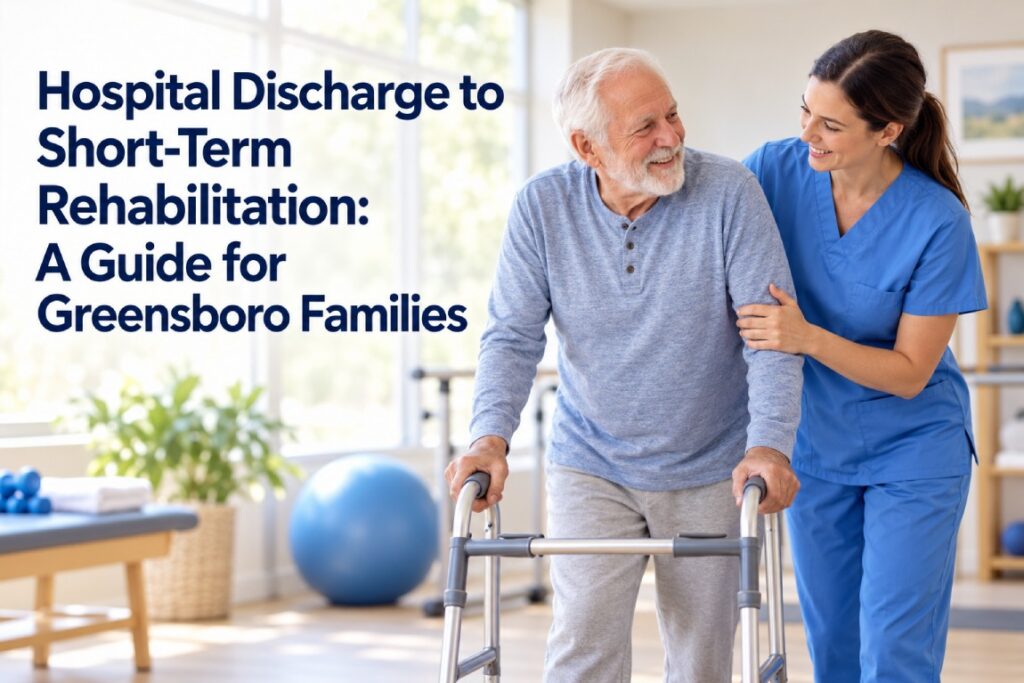
Hospital Discharge to Short-Term Rehabilitation: A Guide for Greensboro Families
September 18, 2026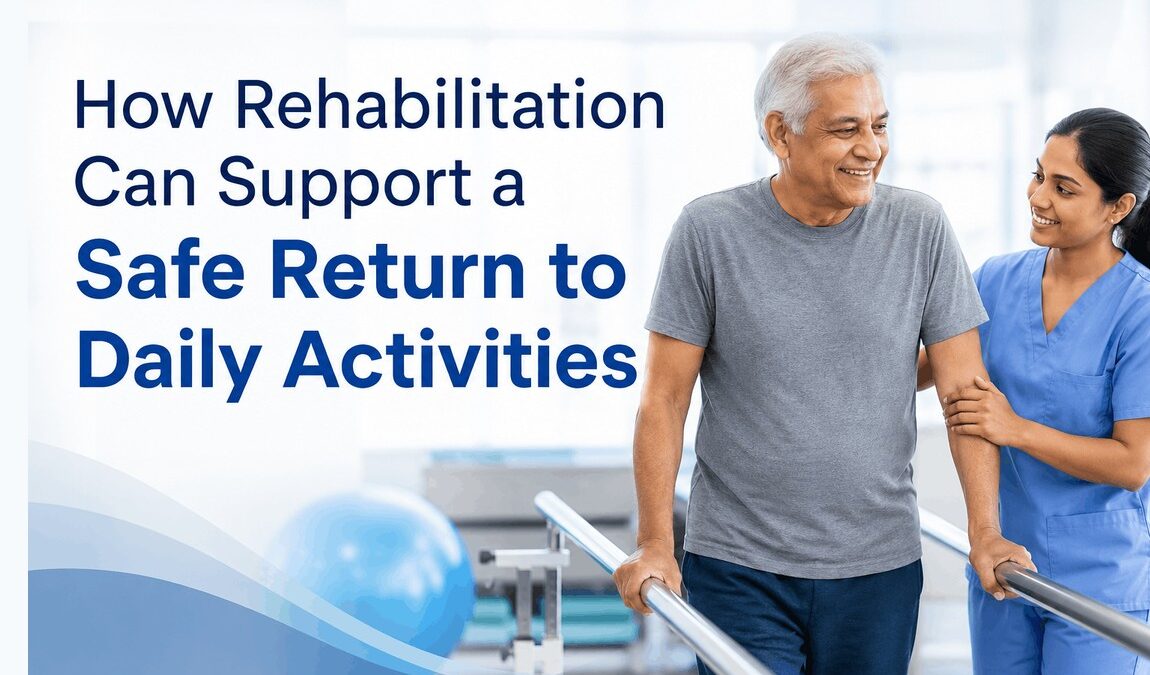
Being medically ready to leave the hospital doesn’t always mean the body is ready to resume a normal routine.
After surgery, an illness, an injury, or a hospital stay, getting back to everyday life can take time. Activities that once felt automatic, such as walking to the kitchen, getting dressed, taking a shower, climbing stairs, or preparing a simple meal, may suddenly require more strength and concentration than expected.
For many people, this can be one of the most frustrating parts of recovery. Strength, balance, endurance, and confidence may all need to be rebuilt gradually.
Rehabilitation can help bridge that gap. Through personalized therapy and coordinated care, rehabilitation professionals help individuals practice the skills they need for everyday life while working toward greater safety and independence. At Heartland Living & Rehabilitation, our approach to rehabilitation focuses not simply on completing therapy exercises, but on helping each resident make meaningful progress toward the activities that matter to them.
Key Takeaways
Even a short hospital stay can reduce strength, balance, and endurance, especially for older adults.
Rehabilitation begins with an evaluation and personal goals, not a standard program applied to everyone.
Physical, occupational, and speech therapy each address different parts of everyday independence.
Confidence is part of recovery. Practicing real tasks in a supported setting helps rebuild it.
Planning for the home environment before discharge makes the transition home smoother.
Jump To Section
Quick Answer
How Does Rehabilitation Help With Daily Activities?
Rehabilitation can help people safely rebuild the strength, mobility, balance, coordination, and everyday skills that may be affected after surgery, illness, injury, or hospitalization. Depending on individual needs, rehabilitation may include physical therapy, occupational therapy, and speech therapy.
At Heartland in Greensboro, NC, rehabilitation is personalized around each resident’s abilities, needs, and recovery goals. The focus is on helping residents practice meaningful everyday activities while working toward greater safety, confidence, and independence.
The Starting Point
Why Can Daily Activities Become Difficult After Hospitalization?
Even a relatively short period of illness or inactivity can affect physical abilities, particularly for older adults. Spending more time in bed during hospitalization can contribute to muscle weakness and reduced endurance. Surgery or injury may also cause pain, stiffness, or temporary restrictions on movement.
Depending on the reason for hospitalization, a person may also experience balance problems, changes in coordination, difficulty using an arm or leg, or challenges with communication and cognition.
The result can be surprising. Someone who previously lived independently may find that getting out of bed requires assistance. A person who regularly climbed stairs may feel unsteady after only a few steps.
Rehabilitation provides a structured way to address these challenges rather than expecting someone to manage them alone.
Personalized Planning
Rehabilitation Begins With Individual Goals
Successful rehabilitation isn’t one-size-fits-all because independence means something different to every person.
For one resident, the most important goal may be walking safely without another person’s assistance. Someone else may want to return to preparing meals, caring for themselves independently, or navigating the steps at the entrance to their home.
A rehabilitation program typically begins with an evaluation of the individual’s current abilities. Therapists may assess strength, balance, mobility, endurance, coordination, and the ability to perform everyday tasks. They also consider where the person lived before hospitalization and what they will need to do safely when they return.
Using this information, the rehabilitation team can establish realistic goals and create an individualized plan. Heartland rehabilitation services are designed around this type of personalized approach, helping residents work toward abilities that are relevant to their daily lives.
In Practice
What Activities Can Rehabilitation Help Residents Practice?
Depending on a resident’s condition, abilities, and care plan, rehabilitation may help with everyday activities such as:
Walking and moving safely
Getting in and out of bed or a chair
Using stairs when appropriate
Bathing, dressing, and grooming
Improving balance and coordination
Building strength and endurance
Using a walker, cane, or other recommended mobility aid
Practicing communication and cognitive skills
Preparing for everyday activities after discharge
Because every recovery is different, therapy goals are personalized rather than based on a single approach for every resident.
Physical Therapy
Restoring Strength and Mobility
Physical therapy is often an important part of returning to everyday activities because so many daily tasks depend on safe movement.
Therapists may use strengthening exercises, balance activities, mobility training, and walking practice to help residents rebuild physical abilities. The specific exercises depend on the individual’s condition and goals.
Someone recovering from joint replacement surgery, for example, may work on improving range of motion and strengthening the muscles needed for walking. A resident weakened by an extended illness may initially focus on standing safely and gradually increasing walking distance.
Physical therapists can also evaluate whether a cane, walker, or other mobility aid may be appropriate. When an assistive device is recommended, learning how to use it correctly is an important part of therapy.
The goal is not simply to become stronger during a therapy session. It is to translate those improvements into safer movement throughout the day.
Occupational Therapy
Focusing on Everyday Independence
Physical therapy and occupational therapy often work closely together, but they have different areas of focus.
Occupational therapy helps residents regain the skills needed to perform activities of daily living. These may include bathing, dressing, toileting, grooming, eating, and other tasks that support independence.
Therapists can break complicated activities into manageable steps and introduce strategies that make them easier or safer. They may also recommend adaptive equipment when appropriate.
For example, someone who has difficulty bending after surgery may learn a different way to dress. A resident with limited strength may practice safer techniques for getting in and out of the shower.
These may seem like small achievements, but being able to complete personal care activities independently can have a tremendous impact on confidence and quality of life.
Speech Therapy
Supporting More Than Communication
Some individuals also benefit from speech therapy during rehabilitation.
Speech-language pathologists can help residents who experience difficulties with speaking, understanding language, memory, problem-solving, cognition, or swallowing. These challenges may occur after a stroke, neurological condition, prolonged illness, or other medical event.
Communication and cognitive skills can directly affect everyday independence. Remembering a sequence of tasks, understanding instructions, communicating needs, and making safe decisions are all important aspects of daily life.
When appropriate, speech therapy becomes another part of a coordinated rehabilitation plan designed to address the whole person.
At a Glance
What Types of Therapy May Be Part of Rehabilitation?
A rehabilitation program may involve different therapy disciplines depending on an individual’s needs.
Physical therapy can focus on strength, balance, mobility, walking, and safe movement.
Occupational therapy can focus on activities of daily living, such as dressing, bathing, grooming, and other skills that support everyday independence.
Speech therapy can address communication, cognition, memory, problem-solving, and swallowing when appropriate.
Together, these services can support a more coordinated approach to recovery and everyday functioning.
Confidence
Practicing Real-World Skills Builds Confidence
Recovery isn’t only physical. Confidence matters, too.
After a fall, surgery, or serious illness, people may become afraid of hurting themselves or experiencing another setback. Even when their physical abilities begin improving, they may hesitate to attempt activities they previously performed without thinking.
Rehabilitation offers opportunities to practice these activities in a supportive environment. Each successful experience can help rebuild trust in the body’s abilities. Standing from a chair without assistance, walking a longer distance, or completing a personal care task independently may provide the reassurance a resident needs to keep moving forward.
Progress doesn’t always happen in dramatic leaps. Often, rehabilitation success is built through many small milestones that gradually add up to greater independence.
Looking Ahead
Preparing for the Home Environment
One of the most important parts of rehabilitation is making sure improvements can translate into everyday life after discharge.
A person may perform well in a controlled therapy environment but still face challenges at home. There may be stairs, narrow hallways, different flooring, or a bathroom that requires additional planning.
The rehabilitation team can consider these factors when developing treatment goals. Residents may practice climbing stairs, transferring safely, using mobility equipment, or performing other tasks they are likely to encounter after discharge.
Therapists may also recommend home modifications or equipment to improve safety. Depending on individual needs, this might include grab bars, a shower chair, improved lighting, or removing loose rugs and clutter from walkways.
Thinking about these issues before discharge can make the transition home smoother and less stressful.
Coordinated Care
Rehabilitation and Skilled Nursing Work Together
Many residents recovering from hospitalization need more than therapy alone. They may also require medication management, pain management, wound care, nutritional support, or monitoring of an ongoing health condition. This is where coordinated rehabilitation and skilled nursing care can be especially valuable.
Nurses and therapists can communicate about changes that may affect recovery. If pain is limiting participation in therapy, for example, the care team can address the concern rather than simply expecting the resident to push through it. If a therapist notices unusual fatigue or another change, that information can be shared with nursing staff.
This collaborative approach allows different aspects of recovery to be considered together.
For Families
Family Support Can Make a Difference
Family members are often important partners in the rehabilitation process.
Visiting, providing encouragement, attending care planning meetings, and learning about therapy goals can help loved ones understand the progress being made. Families may also receive guidance about how much assistance a resident will need after returning home.
It is important to encourage independence when it is safe to do so. Automatically completing every task for a loved one can sometimes reduce opportunities to practice the skills they are working hard to regain.
Following the rehabilitation team’s recommendations can help families find the right balance between providing support and encouraging independence.
Local Care
Rehabilitation Care in Greensboro, North Carolina
For families searching for a rehabilitation center in Greensboro, NC, understanding the level of support available after hospitalization can make the transition to the next stage of recovery easier.
Heartland provides rehabilitation and skilled nursing support in Greensboro, North Carolina. Rehabilitation services can help residents recovering from surgery, illness, injury, or hospitalization work toward individualized goals in a supportive care environment.
Physical, occupational, and speech therapy may be incorporated into a personalized rehabilitation plan according to each resident’s needs.
Our Approach
Personalized Care Through Heartland Rehabilitation
At Heartland, we understand that successful recovery is about more than reaching clinical milestones. It is about helping residents return to meaningful activities with greater confidence and independence.
Through Heartland rehabilitation services, residents can receive individualized physical, occupational, and speech therapy based on their specific needs and recovery goals. Our rehabilitation professionals work alongside skilled nursing staff and other members of the care team to provide coordinated support throughout the recovery journey.
Whether a resident is recovering from surgery, injury, illness, or hospitalization, Heartland rehabilitation focuses on helping each individual build the abilities needed for everyday life while progressing at an appropriate pace.
Common Questions
Frequently Asked Questions About Rehabilitation and Daily Activities
Rehabilitation can help individuals rebuild abilities that may have declined during illness, surgery, injury, or hospitalization. Therapy may focus on strength, mobility, balance, endurance, daily living skills, communication, cognition, or other abilities based on individual needs.
Short-term rehabilitation generally provides therapy and supportive care for individuals recovering from a surgery, illness, injury, or hospital stay who need additional assistance before returning to their usual living environment.
Physical therapy generally focuses on movement, strength, balance, mobility, and walking. Occupational therapy focuses on skills needed for everyday activities, including bathing, dressing, grooming, and other tasks that support independence.
Speech therapy may be appropriate when an individual experiences challenges involving communication, language, cognition, memory, problem-solving, or swallowing. The need for speech therapy depends on the individual’s condition and care plan.
Rehabilitation can include practicing activities that may be important after discharge, such as walking, transferring, navigating stairs, completing personal care tasks, or safely using recommended equipment. The rehabilitation team may also identify safety considerations for the home environment.
No. Rehabilitation plans are individualized according to a person’s current abilities, medical needs, previous level of function, living environment, and personal recovery goals.
Heartland Living & Rehabilitation provides rehabilitation and skilled nursing services in Greensboro, North Carolina. Families can speak with the care team to learn more about available rehabilitation services, individual needs, and the admissions process.
In Closing
Returning to the Activities That Matter Most
Recovery doesn’t look exactly the same for everyone. One person may want to walk independently again, while another is focused on dressing without assistance or safely navigating the steps into their home.
What these goals have in common is that they represent more than physical ability. They represent freedom, confidence, and quality of life.
Rehabilitation provides a structured path toward regaining those abilities through personalized therapy, practical skill-building, and coordinated care. By addressing strength, balance, mobility, daily living skills, communication, and safety together, residents can work toward a return to the routines that make life feel familiar again.
At Heartland, we are committed to helping residents make meaningful progress one step at a time. Through personalized Heartland rehabilitation services, compassionate support, and a focus on real-world independence, our goal is to help each resident move forward with greater strength, confidence, and readiness for the activities that matter most.
Looking for Rehabilitation Care in Greensboro, NC?
Choosing the right setting after a hospital stay can be an important part of the recovery journey. Heartland provides personalized rehabilitation and skilled nursing support designed around each resident’s individual needs, comfort, safety, and goals. You can explore rehabilitation services or learn about admissions to see what would fit your family’s situation.