- Follow Us:
- (336) 358-5100


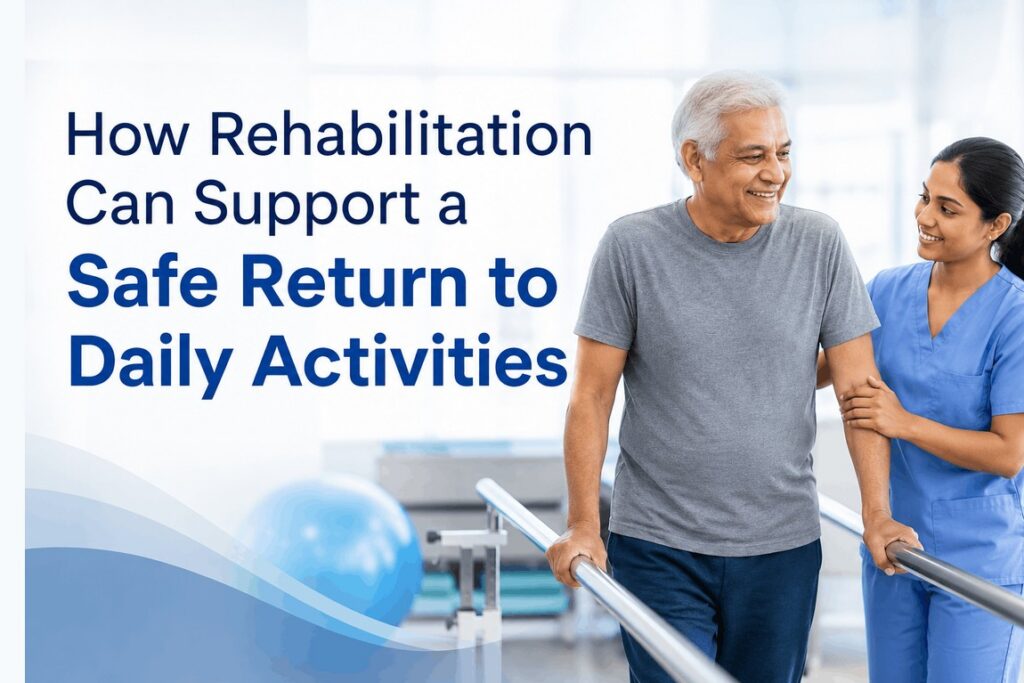
How Rehabilitation Can Support a Safe Return to Daily Activities
August 26, 2026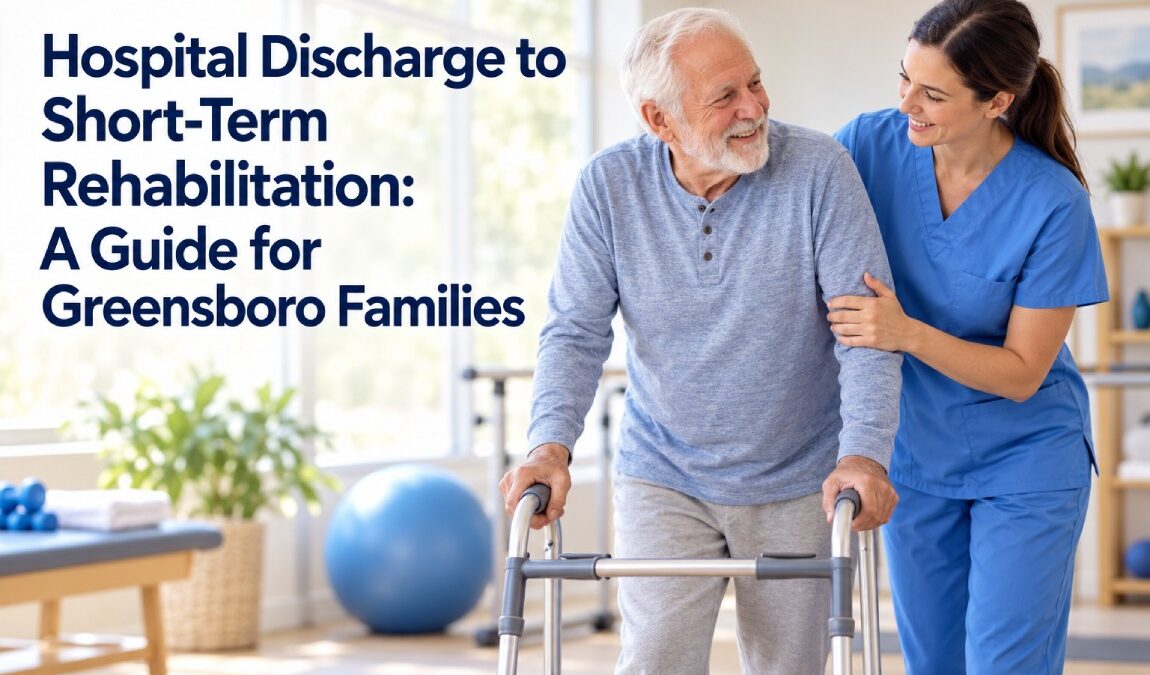
Being ready to leave the hospital is not always the same as being ready for home. Here is how short-term rehabilitation can help your loved one bridge that gap.
Hearing that a loved one is ready to leave the hospital is usually welcome news. However, being medically stable enough for discharge doesn’t always mean someone is ready to return home and manage everyday activities independently. After surgery, illness, injury, or an extended hospital stay, a person may still be dealing with weakness, limited mobility, balance concerns, or difficulty completing tasks that were routine before hospitalization.
For many Greensboro families, short-term rehabilitation can provide an important bridge between the hospital and home. A skilled rehabilitation setting gives patients an opportunity to continue recovering while receiving nursing support, therapy, and assistance with daily activities based on their individual needs.
If your family is considering rehabilitation services at Heartland Living & Rehabilitation after hospitalization, understanding how the transition works can make the process feel much less overwhelming. From admissions and initial assessments to therapy and discharge planning, each step is designed to identify the patient’s needs and help establish realistic goals for the next stage of recovery.
Key Takeaways
Short-term rehabilitation supports people who no longer need hospital-level care but aren’t yet ready to manage safely at home.
Discharge planning starts in the hospital, so it is the right time to ask questions and confirm records are shared.
Care plans are built around each person’s abilities, home environment, and goals, not a one-size-fits-all routine.
Physical, occupational, and speech therapy work alongside skilled nursing care.
Families who stay involved help the care team plan a safer, smoother return home.
Jump To Section
Why Rehab
Why Might Short-Term Rehabilitation Be Recommended?
Hospital stays can affect the entire body, particularly for older adults. Even when the condition that caused the hospitalization has improved, patients may experience reduced strength and endurance after spending several days in bed or being less active than usual.
Someone recovering from surgery may also have temporary restrictions that make walking, dressing, bathing, or safely navigating the home more difficult. Other patients may need continued support after a stroke, fall, infection, cardiac event, or other serious medical condition.
Short-term rehabilitation may be recommended when a patient no longer requires hospital-level treatment but still needs more care or assistance than can safely be provided at home.
The specific reason for rehabilitation varies, which is why an individualized approach is important. One patient may need intensive work on walking and balance, while another needs help regaining the strength and endurance necessary to complete everyday activities.
Before Discharge
Preparing for the Transition Before Hospital Discharge
Discharge planning often begins while the patient is still in the hospital.
A case manager, social worker, discharge planner, or another member of the hospital team may discuss the patient’s current abilities and recommend an appropriate next level of care. If short-term rehabilitation is being considered, families may be given information about facilities that can meet the patient’s clinical and therapy needs.
This is a good time to ask questions. Consider asking the hospital team about:
Why rehabilitation is being recommended
Which services the hospital team believes will be needed
Any mobility restrictions
Medications, wound care, and dietary needs
Follow-up appointments
Any precautions that should continue after discharge
Families should also make sure the rehabilitation facility receives the necessary hospital records and discharge information. Clear communication between care settings helps the receiving team understand the patient’s recent medical history and current needs.
Admission
What Happens During Admission to Short-Term Rehabilitation?
The first day in a rehabilitation setting involves more than simply getting settled into a room. The care team typically reviews information from the hospital and evaluates the patient’s current condition.
Nursing assessments may address medications, pain, skin or wound needs, nutrition, mobility, and other medical concerns.
Therapy evaluations, when therapy is part of the plan, may look at strength, balance, walking, endurance, ability to complete daily activities, communication, cognition, or swallowing depending on the patient’s needs.
These assessments establish a starting point.
Families can provide valuable information during this process. Let the care team know:
What your loved one could do independently before hospitalization
What their home environment is like
What activities are most important to them
The better the team understands the person’s previous routine and goals, the more individualized the rehabilitation plan can be.
Care Plan
Building an Individualized Care and Rehabilitation Plan
Short-term rehabilitation shouldn’t look exactly the same for every patient. After assessments are completed, the care team can establish goals based on the person’s medical condition, current abilities, previous level of independence, and anticipated discharge needs. For example:
Living alone: someone who lives alone may need to safely walk to the bathroom and complete basic self-care before returning home.
Steps at home: a patient who has several steps at the entrance to their house may need to practice stairs.
Using a walker: someone who relies on a walker may need to rebuild strength and confidence using that device.
With Heartland, the focus is on helping residents work toward meaningful functional goals rather than simply completing exercises.
Connecting therapy to real-life activities can help patients understand why they’re practicing certain movements and how those skills may support greater independence after discharge.
Physical Therapy
The Role of Physical Therapy
Physical therapy is often an important component of short-term rehabilitation. After hospitalization, patients may experience weakness, reduced endurance, impaired balance, or difficulty walking. Physical therapists can evaluate these concerns and develop an appropriate treatment plan. Therapy may address:
Strengthening
Balance
Walking
Transfers
Endurance
Safe use of assistive equipment when needed
Progress is typically gradual. A patient’s path might look something like this:
The goal isn’t to rush recovery. It’s to help the patient make safe, measurable progress based on their individual condition.
Occupational & Speech Therapy
Occupational and Speech Therapy May Also Support Recovery
Recovery involves more than walking.
Occupational therapy focuses on the skills needed to participate in everyday activities. Depending on the patient’s needs, this may include dressing, bathing, grooming, toileting, and other daily tasks. Occupational therapists can also teach adaptive techniques that help patients work around temporary or ongoing limitations.
Speech-language pathology may be recommended when hospitalization or a medical condition has affected communication, cognition, or swallowing. This can be particularly important for someone recovering from a stroke or neurological condition.
Together, these disciplines can address different parts of recovery while working toward the broader goal of helping the patient function as safely and independently as possible.
Nursing Support
Nursing Support During Short-Term Rehabilitation
Therapy may be a major part of short-term rehabilitation, but nursing care is equally important for many patients. Depending on individual needs, skilled nursing support may include:
Medication management
Physician-directed care
Monitoring changes in condition
Wound care when ordered
Assistance with other clinical needs
Nurses and therapists can also communicate about issues that affect rehabilitation. For example, changes in pain, fatigue, blood pressure, or another medical concern may influence how a patient participates in therapy on a particular day.
This coordinated approach helps connect clinical care with rehabilitation rather than treating them as completely separate parts of recovery.
Family Role
Family Involvement Can Make the Transition Easier
Families continue to play an important role after a loved one enters short-term rehabilitation.
Visit when possible and provide encouragement
Stay informed about recovery goals
When appropriate, participate in care planning conversations
Ask what skills your loved one is currently working on
It’s also helpful to share information about the home environment early in the stay. Questions worth thinking through include:
Does the patient need to climb stairs to reach a bedroom?
Is there a walk-in shower or bathtub?
Are doorways wide enough for mobility equipment?
Will someone be available to help with meals, transportation, or other needs?
These details can influence discharge planning and help the rehabilitation team identify skills that may need additional attention.
Going Home
Planning for the Return Home
Although it may seem early, planning for discharge from short-term rehabilitation can begin soon after admission.
The care team may consider the patient’s mobility, ability to complete daily activities, medical needs, home environment, available caregiver support, and progress toward therapy goals when preparing for the next transition.
Returning home safely may involve additional services or equipment. Depending on the patient’s needs, recommendations could include:
Home health services
Outpatient therapy
Mobility equipment
Follow-up appointments
Family assistance
Before discharge, patients and caregivers should understand medication instructions, ongoing precautions, follow-up care, and any symptoms that should be reported to a healthcare professional.
A well-planned discharge isn’t simply about deciding on a date. It’s about helping the patient and family understand what comes next.
Close to Home
Short-Term Rehabilitation in Greensboro
For Greensboro families, having rehabilitation services close to home can make it easier to remain involved throughout a loved one’s recovery.
Heartland’s rehabilitation services provide an interdisciplinary approach for residents who need additional support after hospitalization, surgery, illness, or injury. Depending on individual needs, rehabilitation may involve physical, occupational, or speech therapy alongside skilled nursing care and assistance with daily activities.
At Heartland Living & Rehabilitation, care is centered on the individual. Goals are based on what each resident needs to accomplish and the level of independence they’re working toward. That might mean:
Walking more confidently
Completing daily activities with less assistance
Rebuilding endurance
Preparing for a safe return home
Whatever the goal, meaningful progress can happen one step at a time.
Moving Forward
Making the Hospital-to-Rehabilitation Transition With Confidence
The period immediately after hospitalization can be uncertain for both patients and families. A loved one may be medically improving while still facing very real challenges with strength, mobility, endurance, or daily activities.
Short-term rehabilitation provides time, professional support, and a structured environment for continuing that recovery.
For families considering Heartland, asking questions and becoming involved early can help make the transition easier:
Learn about the rehabilitation plan
Understand your loved one’s goals
Communicate information about the home environment
Stay connected with the care team throughout the stay
Recovery rarely follows an identical timeline for every patient. What matters is helping each person progress safely toward the activities and level of independence that are meaningful for them.
At Heartland Living & Rehabilitation, the goal is to support that journey with individualized rehabilitation, skilled nursing care, and a coordinated approach that helps residents prepare for their next step.
FAQs
Frequently Asked Questions About Short-Term Rehabilitation After Hospitalization
What is short-term rehabilitation after a hospital stay?
Short-term rehabilitation provides temporary nursing and therapy support for people who are medically stable enough to leave the hospital but aren’t yet ready to safely manage at home. Depending on individual needs, services may include physical therapy, occupational therapy, speech therapy, skilled nursing care, and assistance with daily activities.
How long does short-term rehabilitation usually last?
There is no standard length of stay. The amount of time a person needs depends on their medical condition, previous level of independence, rehabilitation needs, progress, and discharge goals. Insurance coverage and eligibility requirements can also affect the length of a covered rehabilitation stay.
What therapy services may be available during short-term rehabilitation?
Depending on a resident’s needs, rehabilitation may include physical therapy for strength, balance and mobility; occupational therapy for activities of daily living; and speech-language pathology for communication, cognition, or swallowing concerns. The appropriate combination of services is determined by the individual’s condition and care plan.
How can families help during short-term rehabilitation?
Families can provide encouragement, participate in care planning when appropriate, communicate information about the patient’s normal routines and home environment, and learn about current rehabilitation goals. Staying involved can also help families better prepare for the patient’s eventual transition home.
What should Greensboro families look for in a short-term rehabilitation facility?
Families should consider available nursing and therapy services, individualized care planning, communication, location, discharge planning, and whether the facility can address the patient’s specific medical and functional needs. When considering Heartland Rehabilitation services, families can speak with the care team about available services and how an individualized rehabilitation plan may support their loved one’s recovery goals.
Planning the Next Step After a Hospital Stay?
Our Greensboro team is here to answer your questions about short-term rehabilitation, walk you through admissions, and help your loved one prepare for a safe return home.