- Follow Us:
- (336) 358-5100


When Should Someone Consider Skilled Nursing Care?
June 24, 2026
Signs That Additional Nursing Support May Be Needed
August 6, 2026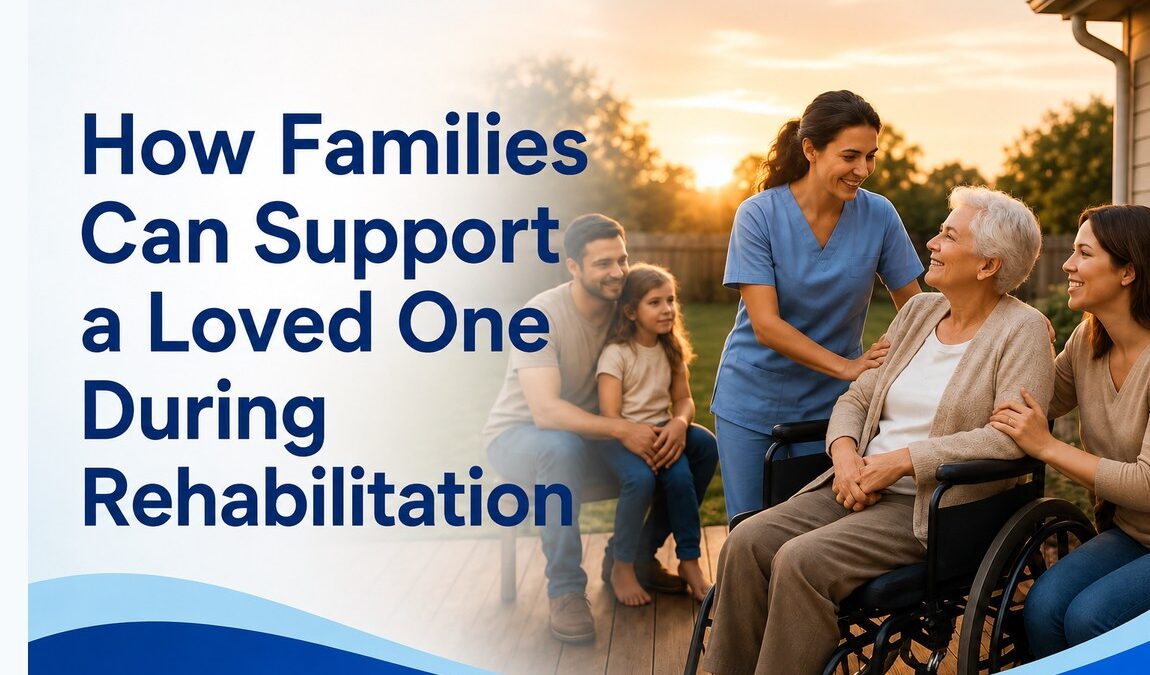
Behind every strong recovery is a family that shows up, stays patient, and keeps encouraging.
When a loved one begins rehabilitation after an illness, injury, surgery, or hospital stay, the focus naturally turns to therapy sessions, medical appointments, and recovery goals. Skilled therapists, nurses, and physicians play a critical role in healing, but one of the most powerful sources of support often comes from somewhere else entirely: family.
Recovery can be physically demanding and emotionally challenging. Progress may happen quickly at times and feel frustratingly slow at others. During those moments, encouragement from family members can make a meaningful difference in helping a loved one stay motivated, engaged, and optimistic about the road ahead.
The good news is that supporting someone during rehabilitation does not require medical training or specialized expertise. Often, the most valuable contributions come through presence, patience, and encouragement. Whether your loved one is recovering from surgery, rebuilding strength after a hospitalization, or participating in therapy to regain independence, there are many ways families can help make the rehabilitation journey more successful.
Key Takeaways
Learning what recovery involves helps families offer encouragement without creating pressure.
Celebrating small victories often does more for motivation than focusing on timelines.
Joining care plan meetings turns families into true partners with the therapy team.
Visits, calls, familiar belongings, and social activities protect emotional well being.
Preparing the home early makes discharge day calmer and safer for everyone.
Jump To Section
Start Here
Understand the Recovery Process
One of the best ways to support a loved one is by learning about their condition and understanding what recovery is likely to involve.
Every rehabilitation journey is different. Some patients may make rapid progress, while others require more time to regain strength and mobility. Understanding realistic expectations can help family members provide encouragement without unintentionally creating pressure or frustration.
Ask questions during care conferences or therapy updates. Learn about rehabilitation goals, expected milestones, and the types of exercises or activities your loved one is working on each day. The more informed you are, the easier it becomes to celebrate progress and provide meaningful support during setbacks.
Recovery rarely follows a straight line, and knowing that ups and downs are a normal part of the process can help everyone maintain perspective.
Motivation
Offer Encouragement Without Creating Pressure
Motivation is an important part of rehabilitation, but so is patience.
Many individuals feel discouraged when progress seems slower than expected. Tasks that were once simple may suddenly require tremendous effort, including walking across a room, climbing stairs, getting dressed independently, or even holding a conversation after a stroke. Family encouragement can provide a powerful boost during these moments.
Celebrate small victories. A few extra steps during physical therapy, improved balance, increased endurance, or greater independence with daily activities are all meaningful achievements worth recognizing. Sometimes simply acknowledging the hard work your loved one is putting in can provide the motivation needed to keep moving forward.
At the same time, avoid comparing progress to others or focusing too heavily on timelines. Recovery is personal, and every individual moves at their own pace.
Partnership
Stay Involved in Therapy and Care Planning
Whenever possible, participating in care discussions can help families become valuable partners in the recovery process.
Attending care plan meetings, therapy updates, or discharge planning sessions allows family members to better understand treatment goals and progress. It also provides an opportunity to ask questions and discuss concerns with the healthcare team.
Understanding what therapists are working toward can help families reinforce those goals outside of formal therapy sessions. For example, if a patient is practicing safe transfers, balance exercises, or memory strategies, family members can encourage those same skills during visits and interactions. This partnership creates consistency and helps build confidence for both the patient and their support system.
Emotional Health
Maintain Social and Emotional Connections
Rehabilitation can sometimes feel isolating. Patients may be away from home, separated from familiar routines, and coping with physical limitations that affect their independence. Feelings of frustration, sadness, or anxiety are not uncommon during recovery.
Regular visits, phone calls, video chats, and messages can help maintain important emotional connections during this time. Conversations do not always need to focus on health or therapy progress.
Talk about everyday life. Family events, hobbies, favorite sports teams, grandchildren, or upcoming plans provide welcome reminders of life beyond rehabilitation.
Bring pieces of home. Photographs, favorite books, puzzles, or familiar items help create comfort and familiarity in a new environment.
Simply show up. Sometimes the greatest gift family members can offer is spending time together.
Engagement
Encourage Participation in Activities
While therapy sessions are an important part of rehabilitation, recovery also happens outside the therapy gym.
Many rehabilitation communities offer activities, social events, exercise programs, games, educational opportunities, and recreational programs designed to support emotional wellness and social engagement. Encouraging participation in these activities can help residents stay connected, maintain a positive outlook, and avoid feelings of isolation.
Social engagement often contributes to improved mood, greater motivation, and a stronger sense of purpose throughout recovery. Patients who remain active and involved frequently report a more positive rehabilitation experience overall.
Planning Ahead
Help Prepare for a Safe Return Home
For many individuals, one of the primary goals of rehabilitation is returning home safely. Families can play an important role in preparing for this transition by working with the care team to understand discharge recommendations and home safety considerations.
This preparation may involve:
Removing tripping hazards
Installing grab bars
Rearranging furniture for mobility devices
Learning how to assist safely with transfers
Understanding medication instructions
Coordinating follow up appointments
Planning ahead helps reduce stress while creating a smoother transition once discharge day arrives. For some families, additional support may be needed after rehabilitation is complete. Services such as senior home care Greensboro families rely on can provide valuable assistance while loved ones continue building strength and confidence at home.
For Caregivers
Take Care of Yourself, Too
Family caregivers often devote so much energy to supporting others that they overlook their own needs. Caregiving can be emotionally and physically demanding, and maintaining your own health allows you to continue providing the support your loved one needs over the long term.
Make time for rest, maintain your own medical appointments, ask for help when needed, and lean on friends or family members for support.
Supporting a loved one during rehabilitation is not a responsibility that anyone should carry alone.
The Care Team
The Role of Professional Rehabilitation Teams
Family involvement is invaluable, but professional rehabilitation teams provide the expertise and guidance that drive recovery forward.
Physical therapists, occupational therapists, speech therapists, nurses, physicians, and social workers work together to develop individualized care plans that address each patient’s unique needs and goals. This collaborative approach allows patients to receive comprehensive support while families remain informed and involved throughout the process.
Facilities such as a trusted nursing home Greensboro NC families depend on often become important partners during recovery by combining clinical expertise with compassionate, patient centered care.
Our Approach
How Heartland Supports Families Throughout Recovery
At Heartland Living & Rehabilitation, we recognize that successful rehabilitation involves more than therapy sessions and medical treatments. It requires encouragement, communication, and strong partnerships between residents, families, and care teams.
Our interdisciplinary team works closely with families to provide regular updates, answer questions, and involve loved ones in the recovery process whenever possible. Whether a resident is recovering after surgery, illness, injury, or hospitalization, our goal is to create an environment where healing, confidence, and independence can flourish. You can learn more about our care services at any time.
For families exploring options ranging from rehabilitation services to senior home care Greensboro resources or searching for a trusted nursing home Greensboro NC, finding a team that values family involvement can make a meaningful difference in the recovery experience.
Conclusion
No One Recovers Alone
Rehabilitation is rarely a journey that patients travel alone. Behind every successful recovery is often a network of family members, friends, therapists, and caregivers working together toward a common goal.
By providing encouragement, staying involved in care planning, maintaining emotional connections, and helping prepare for life after rehabilitation, families can play an important role in helping loved ones stay motivated and engaged throughout recovery.
At Heartland, we are proud to partner with families every step of the way, providing compassionate care and personalized rehabilitation services that help residents regain strength, restore independence, and return to the activities that matter most.
Let Us Walk Beside Your Family
Our team in Greensboro is here to answer your questions, share what recovery looks like day to day, and welcome you in for a visit. Reach out whenever you are ready.