- Follow Us:
- (336) 358-5100


Questions to Ask Before Choosing a Nursing and Rehabilitation Center
September 24, 2026
When Is Long-Term Nursing Care the Right Choice for an Aging Parent?
October 27, 2026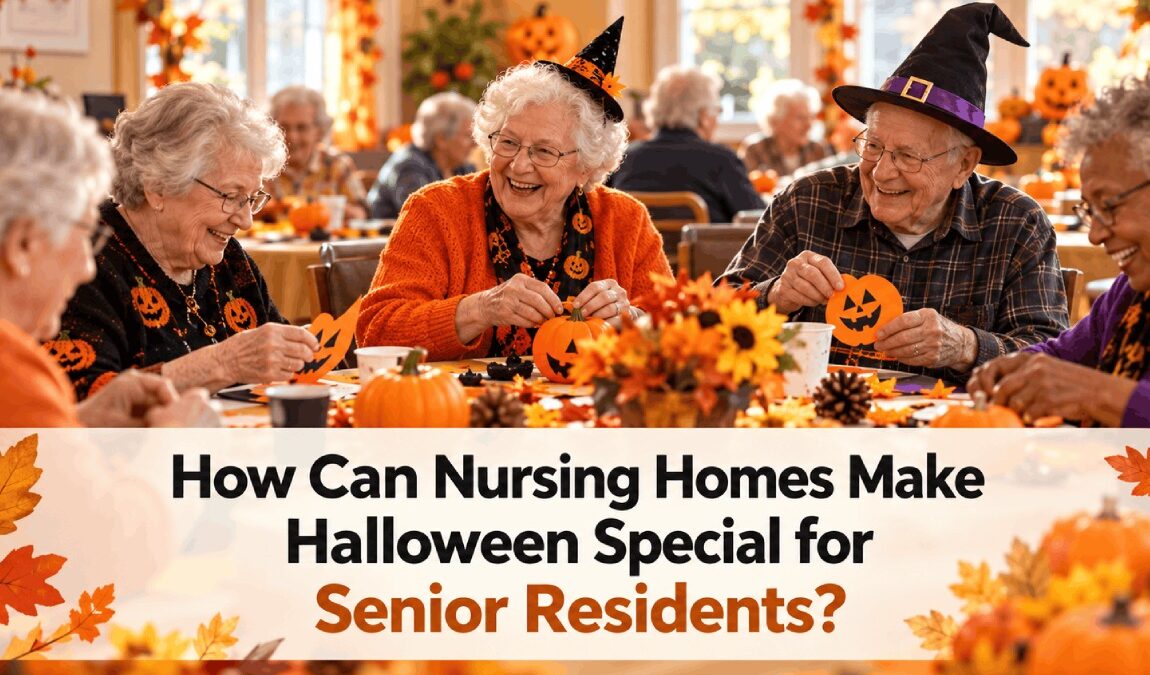
A cheerful, safe, and inclusive Halloween gives residents something to look forward to, something to laugh about, and something to share with the people they love.
Halloween has a way of bringing out the playful side in people. Pumpkins appear on porches, bowls fill up with candy, costumes make their annual return, and suddenly it’s perfectly acceptable to decorate an entire room with smiling ghosts and friendly spiders. There’s no reason that fun has to stop with age.
For seniors living in a nursing home, seasonal celebrations provide something special to anticipate while creating opportunities to socialize, reminisce, get creative, and spend time with family. Residents can join a lively costume party, help decorate the community, enjoy Halloween-themed games, listen to music, or simply sit back and watch the festivities.
For families researching a Greensboro nursing home, activities may not be the first thing on their minds. Nursing services, rehabilitation, safety, and help with daily needs understandably receive a lot of attention. Yet quality of life also includes chances to have fun, keep traditions alive, connect with others, and enjoy experiences that make an ordinary day feel special. A memorable Halloween doesn’t have to be elaborate. What matters is that it’s safe, inclusive, and enjoyable for the people who call the community home.
Key Takeaways
Keep decorations cheerful and friendly, with hallways, handrails, and doorways clear and lighting bright.
Invite residents to plan the celebration so it’s created with them, not just for them.
Make costumes optional and comfortable, and give familiar activities a seasonal twist.
Welcome families in person or from afar, and offer quieter options for residents who prefer them.
Serve treats that respect each resident’s dietary and swallowing needs.
Jump To Section
Decorating
Create a Festive Atmosphere Without Making It Frightening
Decorating is one of the easiest ways to make Halloween feel different from any other day. Pumpkins, autumn leaves, friendly ghosts, colorful banners, black cats, and other seasonal touches can transform common areas without making them feel frightening.
Residents can even help. Rather than staff doing everything behind the scenes, the preparations can become part of the celebration. Residents might create decorations during an arts and crafts program, decorate pumpkins for a hallway display, or help choose where finished projects should go. That way, they contribute to their surroundings instead of simply seeing decorations appear overnight.
Safety should always be part of the plan:
Keep paths clear. Decorations shouldn’t block hallways, handrails, doorways, or access for wheelchairs and walkers.
Watch the floor. Loose cords, trailing fabric, and items placed on the floor can create unnecessary hazards.
Keep the lights up. Dim lighting may set a haunted-house mood, but it makes getting around harder for residents with vision or mobility challenges.
There’s no need to turn the nursing home into a haunted mansion. A cheerful Halloween can be just as festive without jump scares, frightening masks, flashing lights, or decorations that may cause distress for some residents.
Resident Planning
Let Residents Be Part of the Planning
One of the best ways to make Halloween meaningful is also one of the simplest: ask residents what they want to do. Older adults aren’t a single group with identical interests. Some have loved Halloween their entire lives. Others enjoy certain traditions but have little interest in costumes. Some want a big celebration, while others would prefer a quiet movie or music program.
Resident input can shape everything from decorations to entertainment. A few questions worth asking:
Would they rather have a costume party or Halloween bingo?
Should the movie be a classic monster film or something funny?
What songs should go on the party playlist?
Would they enjoy decorating pumpkins?
Giving residents choices turns an activity for them into an activity created with them.
That distinction matters in long-term care. Residents should continue to have opportunities to express preferences and make choices about how they spend their time.
Traditions
Bring Back Familiar Halloween Traditions
Seasonal celebrations are a natural opportunity for reminiscing. Many residents have decades of Halloween memories to share, such as:
Homemade costumes from childhood
Taking their own children trick-or-treating
Carving pumpkins around the kitchen table
Decorating their homes and handing out candy to neighborhood children
Those memories can become part of the celebration. Staff might display vintage Halloween photographs or decorations and ask residents what Halloween looked like when they were growing up. A bowl of familiar candy wrappers could start a conversation about everyone’s childhood favorites. Residents may discover shared memories, sparking connections that continue long after the activity ends.
Families can contribute too. Relatives might bring in old Halloween photographs or share family traditions. Grandchildren may love hearing what Grandma or Grandpa dressed up as when they were young, or seeing photographs of their own parents in costume decades ago. These conversations make Halloween more personal than simply hanging decorations and serving themed treats.
Costumes
Make Costumes Fun, Comfortable, and Optional
Costumes can be one of the funniest parts of Halloween in a nursing home, especially when residents and staff both join in. A few guidelines keep everyone comfortable:
Always optional. Some residents may be thrilled to become a witch, movie star, cowboy, or superhero for the afternoon. Others are perfectly happy in a Halloween T-shirt, festive hat, or pair of silly glasses.
Comfort and safety first. Costumes shouldn’t interfere with walking, wheelchairs, medical equipment, or assistive devices. Long capes and trailing fabric can create fall hazards, and masks can limit vision or make communication harder.
Thoughtful staff costumes. Extremely frightening or realistic costumes may unsettle some residents, particularly individuals experiencing cognitive changes.
Halloween can still be funny and creative without being scary. In fact, a staff costume contest may generate just as much laughter as a resident costume parade.
Activities
Turn Common Activities Into Halloween Events
Not every Halloween activity has to be brand new. Many familiar resident activities simply need a seasonal twist:
Bingo becomes Halloween bingo.
Trivia can focus on classic movies, candy, autumn traditions, or famous fictional characters.
Arts and crafts can turn into pumpkin decorating, mask making, or seasonal card creation.
Music programs can feature Halloween favorites mixed with familiar songs residents already enjoy.
Exercise and movement can take on a theme too. Depending on abilities, a group might do gentle seated movements to music, pass a lightweight pumpkin-themed ball, or add seasonal props to an existing activity.
Familiar formats are especially helpful because residents already understand how the activity works. The Halloween theme simply makes it feel fresh.
Music
Use Music to Bring the Celebration to Life
A party can feel completely different once the music starts. Halloween offers plenty of playful seasonal songs, but a resident celebration doesn’t need to rely on them alone. Mix in familiar songs from different decades and invite residents to make requests.
Music encourages singing, clapping, conversation, and appropriate movement, and it may bring back memories tied to particular songs or periods of life. Residents who don’t want to join games or crafts may still enjoy sitting with friends and listening.
Participation doesn’t always look the same. One resident may be dancing, another singing, and someone else simply smiling and listening. Each is enjoying the experience in their own way.
Families
Invite Families Into the Fun
Family involvement can make Halloween especially memorable. Depending on facility policies, a Greensboro nursing home might invite family members to a seasonal party, costume parade, craft program, or other special event.
Grandchildren add another dimension. Residents may love seeing children in costume, and children get to share Halloween with grandparents or great-grandparents. When appropriate, an indoor trick-or-treat event creates a wonderful intergenerational experience, with residents who wish to participate handing out treats as children parade through designated areas.
Family involvement looks different for everyone, and every form of connection counts:
Attending a party, parade, or craft session in person
A phone call or video chat
A mailed Halloween card
A photograph of a grandchild in costume
For residents without family nearby, community-wide celebrations help make sure the holiday still feels inclusive.
Quieter Options
Don’t Forget the Residents Who Prefer Something Quieter
A successful celebration isn’t necessarily the one with the largest crowd. Some people simply don’t enjoy big parties, while others tire easily, feel overwhelmed by noise, or prefer smaller groups. A thoughtful Halloween includes quieter options too:
Watching a classic seasonal movie
Decorating a small pumpkin
Listening to music
Looking through Halloween photographs
A one-on-one conversation about favorite holiday memories
For someone who doesn’t want to leave their room, staff may be able to bring a little of the celebration to them when appropriate.
This individualized approach is an important part of meaningful senior living in Greensboro, NC. Participation should be encouraged, but it shouldn’t feel forced. Sometimes ten minutes of an activity someone genuinely enjoys means more than an hour at an event they didn’t want to attend.
Treats
Make Treats Part of the Celebration Safely
Halloween and treats tend to go together. Residents may enjoy seasonal desserts, candy, caramel or apple-inspired flavors, and other festive foods, but not every resident can safely enjoy the same treat. Individual needs to consider include:
Diabetes
Food allergies
Texture-modified diets and swallowing concerns
Other medical considerations that affect what’s appropriate
That doesn’t mean residents with dietary restrictions should feel left out. Offering suitable alternatives whenever possible helps more residents share the experience.
Presentation can also make ordinary foods feel special. Seasonal plates, napkins, decorations, or Halloween-themed names create a festive atmosphere without requiring an entirely different menu.
Why It Matters
Activities Can Support More Than Entertainment
It’s easy to see a Halloween party as nothing more than a fun afternoon, but activities can serve a much broader purpose:
A craft gives residents a chance to make choices and use their creativity.
A game encourages conversation and mental engagement.
Music may prompt memories or movement.
A party creates opportunities to interact with people residents might not normally spend time with.
Seasonal events also provide variety. Daily routines are important in long-term care, but having something special on the calendar offers a change of pace and something to anticipate.
Not every activity needs a clinical goal. Fun has value on its own. Laughter, friendship, creativity, and enjoyment are all part of quality of life.
At Heartland
Celebrating Halloween at Heartland Living & Rehabilitation
When families explore options for senior living in Greensboro, NC, it’s natural to focus first on healthcare needs. It’s also worth asking what everyday life looks like within the community:
How do residents spend their afternoons?
What types of activities are offered?
Are there seasonal celebrations?
Can activities be adapted for different abilities and interests?
How can family members participate?
At Heartland Living & Rehabilitation, resident life is about more than a schedule of services. Activities and social engagement help create meaningful experiences and give residents ways to connect with others throughout the year. Halloween is a perfect example.
The decorations will eventually come down. The pumpkins will disappear, and the costumes will go back into storage. But a resident may remember laughing at a staff member’s ridiculous costume, seeing a grandchild dressed as a superhero, winning Halloween bingo, hearing a favorite song, or discovering that the person sitting beside them has a great story to tell.
Those moments are what make a celebration special. Creating room for them helps a Greensboro nursing home feel less like a place where someone simply receives care and more like a community where life still includes laughter, traditions, relationships, and a little Halloween fun.
FAQ
Frequently Asked Questions About Halloween in Nursing Homes
What are some good Halloween activities for nursing home residents?
Popular options can include pumpkin decorating, Halloween bingo, trivia, arts and crafts, costume or hat contests, music programs, movie afternoons, seasonal parties, and reminiscence activities. The best choices depend on residents’ interests, abilities, and individual needs.
How can a nursing home make Halloween safer for seniors?
Decorations should leave walkways, handrails, and doorways clear, and adequate lighting should be maintained. Costumes shouldn’t interfere with mobility or vision, and activities should be adapted to individual abilities. Dietary needs and swallowing recommendations should also be considered when serving Halloween treats.
Should nursing home Halloween celebrations be scary?
Usually, a cheerful approach is more inclusive. Extremely frightening masks, loud noises, jump scares, flashing lights, or realistic decorations may be uncomfortable or confusing for some residents. Pumpkins, friendly ghosts, music, costumes, and fall decorations can create plenty of Halloween atmosphere without making the environment frightening.
How can families participate in Halloween at a nursing home?
Depending on the community’s policies and planned events, families may be able to attend parties, costume parades, crafts, or other celebrations. They can also bring photographs, share family traditions, send cards, video chat, or simply spend time doing a favorite seasonal activity with their loved one.
Why are seasonal celebrations important for seniors in long-term care?
Seasonal events can provide variety, social interaction, creativity, familiar traditions, and opportunities for residents to spend meaningful time with others. They can also give residents something enjoyable to anticipate and help maintain connections to holidays and traditions they’ve celebrated throughout their lives.
See What Everyday Life Looks Like at Heartland
Visit our Greensboro community, meet our caring team, and ask how residents celebrate the seasons together. We would love to show you around.