- Follow Us:
- (336) 358-5100


When Is Long-Term Nursing Care the Right Choice for an Aging Parent?
October 27, 2026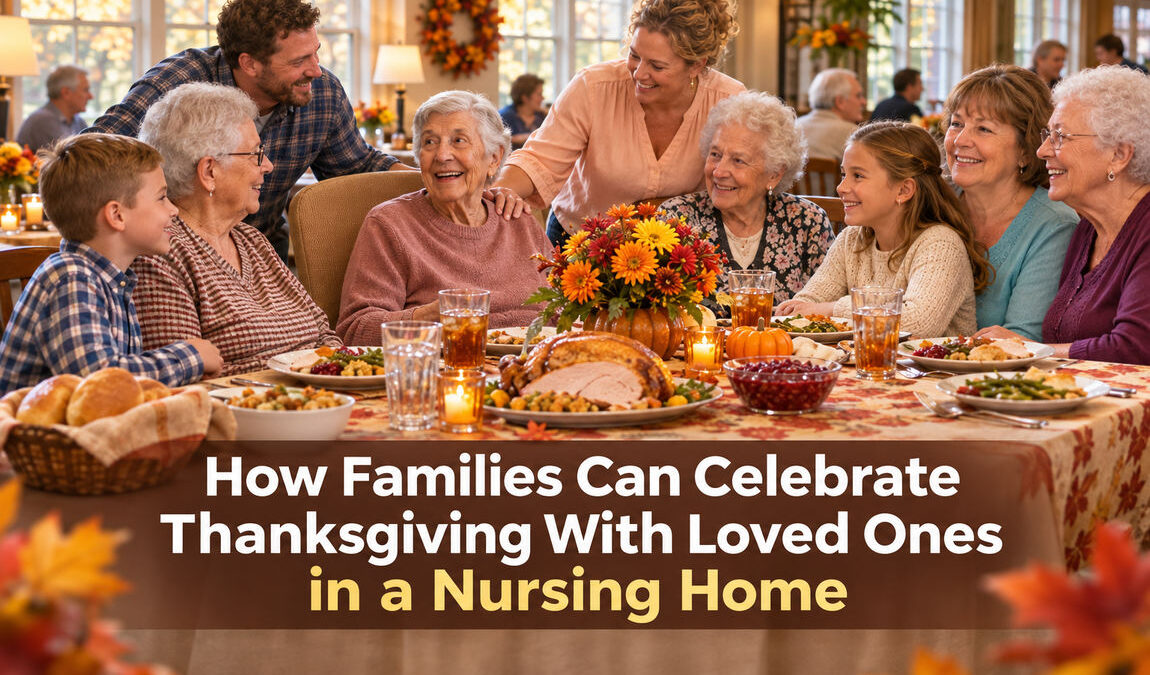
Thanksgiving may look a little different when a loved one lives in a nursing home, but the heart of the holiday remains the same. Here are thoughtful ways to celebrate together.
Thanksgiving is a holiday built around family, gratitude, and traditions that bring people together. For many of us, the season brings memories of crowded dinner tables, favorite family recipes, and conversations that continue long after the meal is finished. These familiar experiences can hold special meaning for older adults, particularly those who have spent decades creating holiday traditions for their children and grandchildren.
When a loved one moves into a nursing home, families may wonder how to preserve those traditions while adjusting to a different setting. Perhaps Mom always hosted Thanksgiving dinner, or Dad looked forward to watching football with the family every year. Changes in health, mobility, or living arrangements may make it difficult to celebrate exactly as before, but that doesn’t mean the holiday has to lose its meaning.
With a little planning and creativity, Thanksgiving can still be filled with warmth, laughter, and meaningful connections. Whether your loved one is receiving short-term rehabilitation or long-term care in Greensboro, NC, there are many ways to make the holiday special while respecting their comfort, abilities, and personal preferences. At Heartland Living & Rehabilitation, we recognize the importance of family relationships and meaningful daily experiences in helping residents feel connected, valued, and supported.
Key Takeaways
Thanksgiving can bring up both happy memories and feelings of loss, so it helps to acknowledge your loved one’s emotions.
Plan visits around your loved one’s energy level, care needs, and preferences, and coordinate with the nursing home in advance.
Check with the care team before bringing outside food, since many residents follow special diets.
Familiar traditions, gratitude activities, and storytelling can be adapted to your loved one’s current abilities.
When you can’t visit in person, video calls, cards, and recorded messages can still help them feel included.
Jump To Section
Holiday Memories
Why Thanksgiving Can Be Especially Meaningful for Nursing Home Residents
Holidays often carry a strong emotional connection to family history and personal traditions. For older adults living in a nursing home, Thanksgiving may bring back memories of preparing favorite dishes, gathering around the table, or welcoming relatives into their homes. These memories can be comforting, but they may also create feelings of sadness when circumstances have changed.
A resident who once prepared an elaborate Thanksgiving meal may miss the excitement of cooking for everyone. Someone who recently moved into a nursing home may feel uncertain about celebrating away from familiar surroundings, while another resident may be grieving the loss of a spouse or family member who was always part of the holiday.
These feelings are understandable, and families can help by acknowledging them rather than assuming the day should be cheerful from beginning to end. Listening to a loved one’s memories, asking about favorite traditions, and finding ways to incorporate familiar experiences can help create a sense of continuity.
Thanksgiving also provides opportunities for residents to feel included in family life. Even when someone can no longer host a large gathering or participate in every activity, they can still share stories, offer advice, enjoy conversations, and contribute to the traditions that make the holiday meaningful.
Planning Ahead
Plan a Thanksgiving Visit Around Your Loved One’s Needs
For many nursing home residents, spending time with family is one of the most meaningful parts of the holiday season. A visit from children, grandchildren, siblings, or close friends can provide reassurance and create opportunities for connection that extend beyond everyday routines.
When planning a Thanksgiving visit, consider your loved one’s energy level, medical needs, and personal preferences. Some residents enjoy having several family members gathered together, while others may feel overwhelmed by large groups or become tired after extended periods of social activity.
A shorter visit with meaningful conversation may be more enjoyable than a lengthy celebration that leaves someone exhausted. Families with several relatives who want to visit might consider arranging smaller gatherings throughout Thanksgiving week rather than expecting everyone to arrive at once.
It’s also helpful to coordinate with the nursing home ahead of time. Ask about visiting arrangements, available gathering spaces, and any health or safety considerations that may affect your plans. Nursing home residents have important visitation rights, and advance communication can help families plan a comfortable celebration while respecting the resident’s preferences and care needs.
Family Traditions
Bring Family Traditions Into the Nursing Home
One of the best ways to make Thanksgiving special is to adapt familiar traditions to your loved one’s current abilities and surroundings. These activities don’t have to be elaborate or time-consuming to create a sense of comfort and belonging.
Perhaps your family has a tradition of watching the Thanksgiving Day parade, cheering for a favorite football team, or sharing something you’re grateful for before dinner. These experiences can often be enjoyed in a nursing home setting with relatively little preparation.
Families might bring a small collection of holiday photographs, play familiar music, or read a favorite Thanksgiving story together. A resident who previously enjoyed cooking may appreciate discussing family recipes or helping choose which dishes relatives should prepare for the celebration at home.
The key is to focus on the meaning behind the tradition rather than recreating every detail.
Even when physical limitations prevent someone from participating in the same way they once did, they can still contribute through conversation, storytelling, and shared memories.
Giving Thanks
Create a Family Gratitude Activity
Thanksgiving provides a natural opportunity to reflect on the people, experiences, and moments that bring meaning to our lives. A simple gratitude activity can encourage conversation and help residents feel appreciated, especially when family members participate together.
One idea is to create a gratitude jar filled with handwritten notes from children, grandchildren, and other relatives. Each person can write something they appreciate about their loved one, whether it’s a favorite childhood memory, a meaningful lesson, or a small act of kindness they remember.
During your visit, take turns reading the notes aloud and sharing the stories behind them. The activity can be especially meaningful for seniors who enjoy reminiscing or who may not realize how much their everyday actions have influenced the people around them.
Families can also create a gratitude scrapbook or a small booklet filled with photographs and messages. These keepsakes provide something residents can enjoy long after Thanksgiving has passed, offering reminders of the relationships and memories that remain important throughout the year.
Sharing Memories
Encourage Storytelling and Family Memories
Older adults often have a lifetime of stories that younger family members haven’t heard, and Thanksgiving provides a wonderful opportunity to bring those memories into the conversation. Asking about childhood celebrations, favorite family recipes, or holiday traditions from decades ago can lead to meaningful discussions that connect generations.
Grandchildren may enjoy hearing how Thanksgiving was celebrated when their grandparents were young, while adult children might discover new details about family history. These conversations can help residents feel valued for their experiences and the role they’ve played in shaping family traditions.
Consider bringing old photographs or familiar objects to encourage storytelling. A picture of a childhood home, a handwritten recipe card, or a photograph from a past holiday gathering may inspire memories and conversations that wouldn’t otherwise come up.
For residents living with memory changes, familiar photographs and stories may sometimes encourage engagement, although responses vary from person to person. Avoid correcting every forgotten detail or turning the conversation into a memory test.
The goal is to enjoy the experience together, not to measure how much someone remembers.
Across Generations
Include Grandchildren in Thanksgiving Celebrations
Children can bring a special kind of energy and excitement to holiday visits. For many grandparents, spending time with grandchildren is one of the most anticipated parts of family gatherings, and Thanksgiving can be a meaningful opportunity to maintain those relationships.
Younger children might create handmade Thanksgiving cards, color pictures of autumn leaves, or bring small crafts they’ve made at school. Older grandchildren could share updates about their activities, show photographs, or ask their grandparents about family traditions.
Simple activities often work best because they allow everyone to participate at a comfortable pace. Reading a story together, completing an easy puzzle, or looking through family photographs can create meaningful moments without requiring extensive preparation.
Before bringing young children, consider your loved one’s health and energy level, along with any facility guidance about visits. Children who are ill should stay home, particularly during respiratory virus season. When everyone is healthy, a thoughtful visit can help strengthen family connections and create memories across generations.
Comfort First
Make Thanksgiving Enjoyable for Seniors With Limited Mobility
Physical limitations shouldn’t prevent a resident from participating in meaningful holiday activities. Seniors who use wheelchairs, have difficulty walking, or spend extended periods in bed can still enjoy Thanksgiving when celebrations are adapted to their comfort and abilities.
For someone with limited mobility, a small gathering in their room may be more comfortable than moving to a larger common area. Families can bring approved decorations, share photographs, listen to music, or enjoy quiet conversation without requiring the resident to move unnecessarily.
Residents who experience fatigue may benefit from shorter activities with breaks between them. A loved one who has difficulty using their hands may still enjoy selecting materials for a craft or directing family members as they create something together.
Personalization is especially important because every resident has different abilities and preferences. Some may enjoy lively conversations and family games, while others prefer a calm atmosphere with fewer distractions. Respecting these differences helps ensure that Thanksgiving remains enjoyable rather than overwhelming.
Emotional Support
Support Loved Ones Who May Feel Lonely During the Holidays
Although Thanksgiving is often associated with happiness and togetherness, it can also bring feelings of loneliness or grief. Seniors may miss loved ones who have passed away, feel nostalgic about earlier celebrations, or struggle with changes in their independence.
Families can provide emotional support by creating space for honest conversations. If a loved one expresses sadness about no longer hosting Thanksgiving or being unable to travel, acknowledge those feelings rather than immediately trying to change the subject.
Sometimes, the most meaningful gift is simply being present.
Sitting together, holding hands, listening to memories, or sharing a quiet moment can provide comfort without requiring a planned activity.
For residents who don’t have family nearby, opportunities for social interaction within the nursing home can be particularly valuable. Group activities, seasonal celebrations, and friendships with other residents may help create a sense of belonging during the holiday season.
Emotional well-being is an important part of overall health, and meaningful engagement can help residents feel connected to others throughout the year.
Staying Connected
Celebrate Together Even When You Can’t Visit in Person
Distance, work schedules, illness, and travel challenges sometimes prevent families from gathering in person for Thanksgiving. While being apart can be disappointing, there are still thoughtful ways to help loved ones feel included in the celebration.
Video calls can allow residents to see family members, participate in conversations, or watch grandchildren share their holiday excitement. Families might also send photographs, handwritten cards, or recorded messages that can be enjoyed throughout the week.
Another idea is to arrange a phone call during the family meal so everyone can exchange Thanksgiving greetings. Even a brief conversation can help residents feel remembered and connected to the celebration taking place at home.
When a loved one needs assistance using a phone or tablet, families may be able to coordinate with facility staff in advance. Planning ahead can make communication easier and help ensure that the resident has an opportunity to participate comfortably.
Next Steps
Celebrating Family Connections at Heartland Living & Rehabilitation
At Heartland Living & Rehabilitation, we understand that Thanksgiving is about more than a holiday meal. It’s an opportunity to celebrate family relationships, reflect on meaningful memories, and help residents feel connected to the people and traditions they cherish.
Our nursing and rehabilitation services are designed to support residents’ individual needs while promoting comfort, dignity, and overall quality of life. Alongside medical care and assistance with daily activities, meaningful engagement and family involvement can play an important role in helping residents feel supported throughout their stay.
For families searching for a nursing home in Greensboro, NC, understanding how a community encourages family connections and social participation can provide valuable insight into its approach to resident-centered care. A supportive environment recognizes that personal relationships, familiar traditions, and opportunities for enjoyment remain important regardless of a resident’s health condition or level of independence.
As a Greensboro nursing home, Heartland Living & Rehabilitation serves residents and families who need nursing and rehabilitation support while valuing the importance of meaningful daily experiences. Whether someone is receiving short-term rehabilitation or ongoing nursing care, maintaining connections with loved ones can contribute to comfort, reassurance, and a stronger sense of belonging.
Families interested in learning more about Heartland Living & Rehabilitation can contact our team to discuss care needs, services, and opportunities for family involvement.
Thanksgiving may look different when a loved one lives in a nursing home, but the heart of the holiday remains the same. Sharing memories, expressing gratitude, and spending meaningful time together can create a celebration that feels just as special, even when familiar traditions need to be adapted.
The most memorable moments often come from the simplest gestures.
A heartfelt conversation, a shared laugh, or a handwritten note can remind your loved one that they’re still an important part of the family and that the spirit of Thanksgiving is found in being together.
Common Questions
Frequently Asked Questions About Celebrating Thanksgiving in a Nursing Home
Can families visit loved ones in a nursing home on Thanksgiving?
Yes. Residents of Medicare- and Medicaid-certified nursing facilities generally have the right to receive visitors of their choosing, subject to their preferences and applicable clinical or safety restrictions. Families may find it helpful to coordinate their plans with the nursing home in advance, particularly when arranging larger gatherings or shared meals. Planning ahead can help make the visit more comfortable and enjoyable for everyone involved.
Can families bring Thanksgiving food to a nursing home?
Families may be able to bring approved holiday foods, depending on facility policies and the resident’s medical and dietary needs. Some seniors require modified food textures, special diets, or other precautions because of swallowing difficulties, diabetes, allergies, or chronic health conditions. Checking with the care team before bringing food helps ensure that holiday treats are appropriate and safe.
What are some simple Thanksgiving activities for seniors in nursing homes?
Meaningful activities may include sharing family photographs, creating gratitude cards, listening to music, watching the Thanksgiving Day parade, or discussing favorite holiday memories. Residents may also enjoy simple crafts, seasonal games, or spending time with grandchildren. Activities should reflect the individual’s interests, physical abilities, and comfort level.
How can families celebrate Thanksgiving with a loved one who has dementia?
Families can focus on familiar experiences, simple conversations, music, photographs, and activities that don’t require complex instructions. Sharing memories can be enjoyable, but it’s best to avoid correcting forgotten details or pressuring someone to remember specific events. Shorter visits and calm environments may also be more comfortable for individuals who become overwhelmed by large gatherings.
Why is family involvement important for nursing home residents?
Family involvement can provide emotional reassurance, maintain meaningful relationships, and help residents feel connected to familiar people and traditions. Regular communication also creates opportunities for families to understand their loved one’s preferences and collaborate with the care team when appropriate. These connections can contribute to comfort, a sense of belonging, and overall quality of life.
Let’s Talk About What Your Loved One Needs
Whether you’re planning a holiday visit or exploring nursing and rehabilitation care in Greensboro, the Heartland team is here to answer your questions, walk you through admissions, and show you how we support residents and their families.


Everyday Engagement
The Role of Social Activities in Nursing Home Life
Meaningful activities aren’t important only during holidays. Throughout the year, social engagement can support emotional well-being, encourage cognitive stimulation, and provide opportunities for residents to develop friendships and maintain personal interests.
In a nursing home environment, activities may include music, arts and crafts, games, seasonal celebrations, group discussions, and other recreational experiences. These opportunities can help residents remain engaged while providing structure and enjoyment in their daily routines.
For seniors receiving long-term care in Greensboro, NC, opportunities for meaningful social interaction are an important consideration when evaluating a nursing home. Residents benefit from having choices about how they spend their time, whether that means joining group activities, participating in familiar hobbies, or enjoying quieter experiences.
Personal preferences should guide participation. Some residents enjoy large gatherings and lively celebrations, while others prefer smaller groups or independent activities. Supporting these differences helps create an environment where individuals feel respected and included.